The Significance of Practicing with Katanas for Martial Arts Aficionados
For martial arts enthusiasts, the practice of using a katana transcends mere physical training; it becomes a profound connection to history, culture, and personal growth. Engaging with this iconic weapon offers individuals an opportunity to delve into the intricate art of swordsmanship, which embodies discipline, respect, and tradition. The katana, often recognized as a symbol of the samurai spirit, plays a crucial role in various martial arts disciplines, particularly in Japanese martial arts like Kendo, Iaido, and Kenjutsu. Understanding the importance of practicing with katanas can enhance not only one’s technical skills but also their appreciation for the cultural heritage surrounding these magnificent swords.
Moreover, practice katanas are specifically designed for training, providing a safe and effective means for martial artists to hone their techniques. Unlike live blades, practice katanas, which are often made of materials like wood or synthetic substances, allow practitioners to focus on their form, timing, and precision without the inherent risks associated with sharp swords. This aspect is especially important for beginners who are just starting their journey into the world of martial arts. Through diligent practice, martial artists can develop the necessary skills to wield a katana effectively, fostering confidence and respect for the weapon itself.
Additionally, the emotional and psychological benefits of practicing with a katana are significant. The meditative nature of sword training encourages mindfulness, allowing practitioners to center their thoughts and find peace amidst their busy lives. This is particularly relevant in today’s fast-paced world, where stress and anxiety are prevalent. The rhythmic movements and focused breathing that accompany sword practice serve to ground individuals, making the katana not just a tool for combat but a means of personal transformation and self-discipline.
The Historical Context of the Katana in Martial Arts
The katana has a rich history that dates back to the late 12th century in Japan, where it evolved from earlier sword designs. Initially crafted for the battlefield, the katana became a symbol of the samurai class and their code of honor, known as Bushido. Understanding this historical context is essential for martial arts enthusiasts, as it enriches their practice by connecting them to the values and traditions of those who wielded the sword before them. The katana is not merely a weapon; it is a representation of the samurai’s spirit, steeped in centuries of culture and artistry.
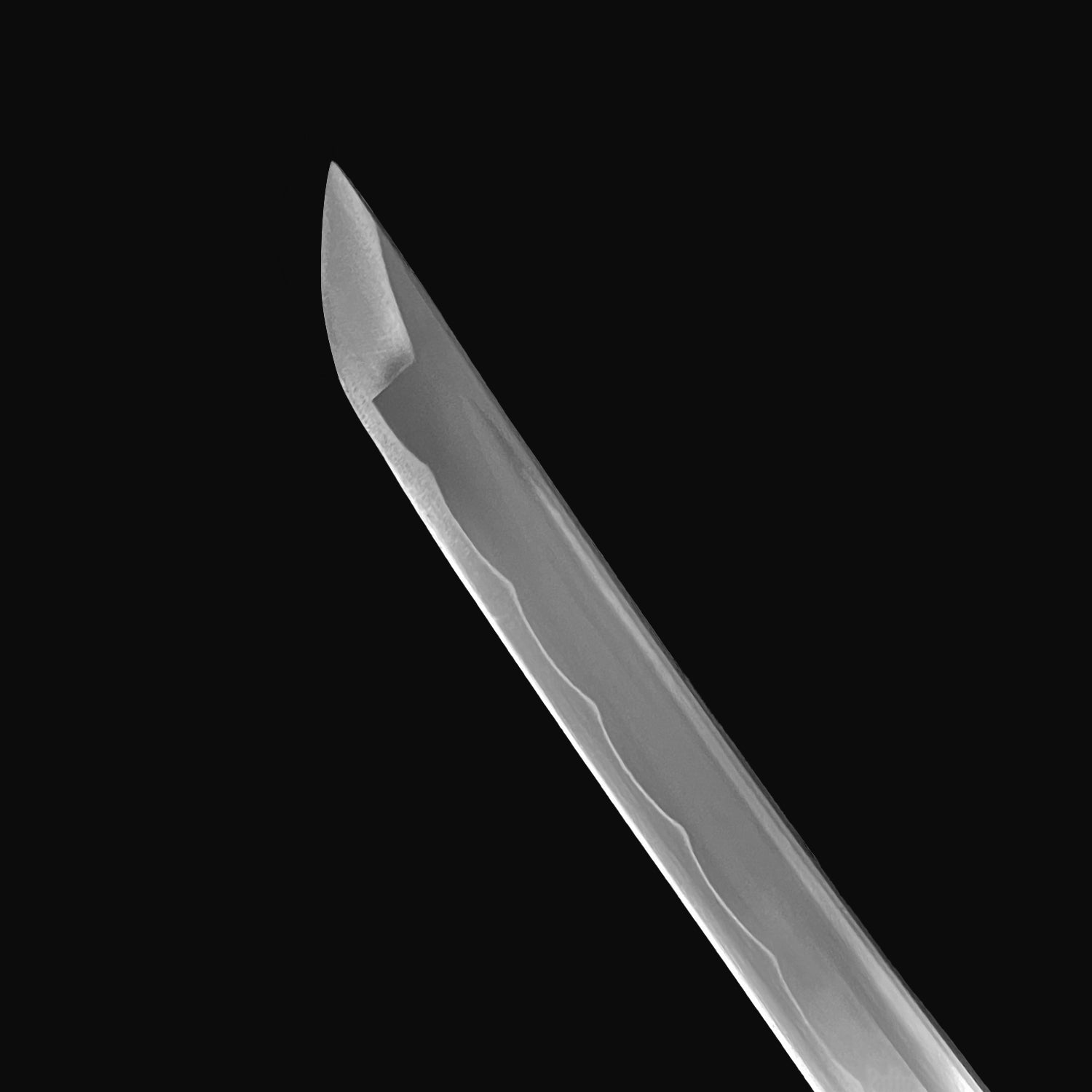
Moreover, the craftsmanship involved in creating a katana is highly revered. The forging process, which involves folding the steel multiple times, creates a blade that is both resilient and sharp. Each katana is unique; the patterns in the steel, known as “hamon,” tell a story of its creation. This aspect of the katana adds depth to the practice as martial artists learn to appreciate the artistry behind their tools. Many practitioners often seek out high-quality practice katanas that reflect this craftsmanship, ensuring that they honor the tradition with every swing.
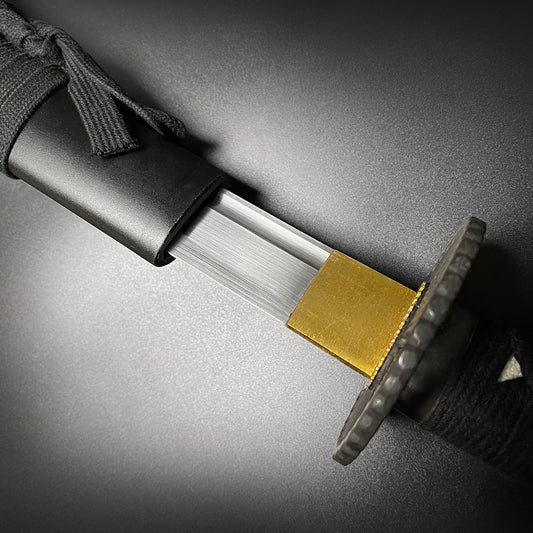
Furthermore, the katana’s role in various martial arts forms, such as Kendo and Iaido, showcases its versatility. Each discipline emphasizes different aspects of swordsmanship, from the competitive spirit of Kendo to the meditative movements of Iaido. By exploring these different styles, martial artists can discover which approach resonates with them, allowing for a more personalized training experience. This exploration not only enhances skill levels but also fosters a greater appreciation for the heritage of Japanese swordsmanship. click here
The Evolution of Sword Techniques
Throughout the centuries, sword techniques have evolved significantly, adapting to changes in warfare, culture, and martial philosophy. Early samurai focused on practical combat techniques that could be employed on the battlefield. However, as Japan transitioned into a more peaceful era, the focus shifted towards the spiritual and philosophical aspects of swordsmanship. Practitioners began to emphasize kata, or pre-arranged forms, that allowed them to explore the principles of movement and timing. This evolution reflects the adaptability of martial arts and the katana itself, demonstrating how the weapon can serve various purposes throughout history.
In contemporary practice, many martial artists blend traditional techniques with modern training methodologies. This fusion often leads to innovative approaches that enhance skill development while maintaining respect for historical practices. For example, some schools incorporate fitness training, mental conditioning, and even technological advancements, such as video analysis, to improve performances. Such an approach not only keeps the art relevant but also attracts new generations of practitioners who might not have been exposed to traditional training methods.
Benefits of Practicing with Katanas
Practicing with katanas offers numerous benefits that extend beyond physical fitness. One of the most significant advantages is the development of discipline. The rigorous training routines required to master katana techniques instill a sense of commitment and perseverance in practitioners. This discipline can translate into other areas of life, enhancing personal and professional relationships. As martial artists learn to push through physical and mental barriers, they cultivate a mindset that thrives on resilience and determination.

Additionally, practicing with katanas fosters physical fitness. The movements involved in swordsmanship require strength, flexibility, and coordination. Regular training sessions can improve cardiovascular health, muscle tone, and overall physical conditioning. Moreover, the focus on precise movements helps to develop fine motor skills, which can benefit practitioners in various daily activities. This holistic approach to fitness appeals to many martial arts enthusiasts, providing a comprehensive workout that engages both the body and mind.
The social aspect of practicing with katanas should not be overlooked either. Engaging in martial arts often involves joining a community of like-minded individuals who share a passion for swordsmanship. This sense of belonging can be incredibly fulfilling, offering opportunities for camaraderie, mentorship, and collaboration. Many practitioners find lifelong friendships within their dojos, creating a supportive environment that encourages personal growth and shared experiences.
Enhancing Focus and Mindfulness
In the practice of using katanas, the emphasis on focus and mindfulness is paramount. Each swing and movement requires complete concentration, allowing practitioners to cultivate a deep sense of awareness. This heightened focus not only improves performance but also promotes mental clarity and emotional stability. As martial artists engage in training, they often find that their ability to concentrate improves, benefiting their daily lives and responsibilities. Musashi Swords Online
Moreover, the meditative aspects of sword practice encourage mindfulness, which has been shown to reduce stress and anxiety. By centering their thoughts during training, practitioners can achieve a state of flow where worries and distractions dissipate. This meditative quality of katana practice provides a powerful mental break, allowing individuals to reconnect with themselves and find tranquility amidst the chaos of daily life.
Choosing the Right Practice Katana
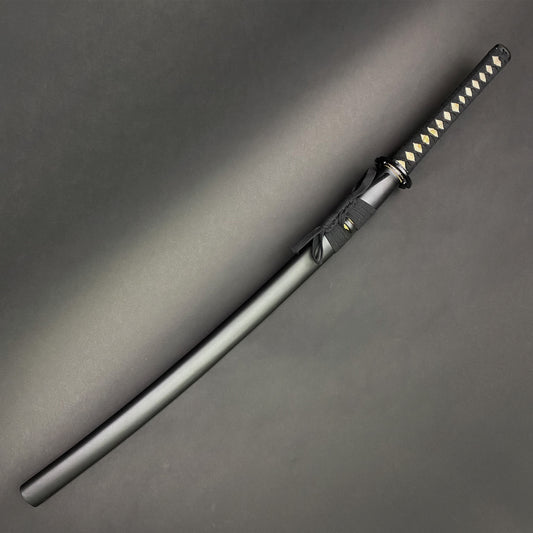
When embarking on the journey of practicing with katanas, selecting the right practice sword is crucial. Various factors come into play, such as materials, weight, and balance. Practice katanas can be made from wood, bamboo, or synthetic materials, each offering unique advantages. For example, wooden katanas, or “bokken,” are often favored for their durability and safety, making them ideal for beginners. Understanding these materials can help practitioners make informed decisions that align with their training objectives.
Weight distribution is another critical aspect to consider when choosing a practice katana. A well-balanced sword can significantly enhance performance, allowing for smoother movements and better control. Practitioners should look for swords that feel comfortable in their hands and allow for natural motion. Additionally, consulting with instructors or experienced practitioners can provide valuable insights into the best options available.
Finally, aesthetics can also play a role in selecting a practice katana. Many martial artists prefer swords that reflect their personal style, whether through design, color, or craftsmanship. While functionality is paramount, having a sword that inspires pride and connection to the art can elevate the practice experience. Therefore, taking the time to choose a katana that resonates personally is an essential part of the journey.
Maintenance and Care for Practice Katanas
To ensure the longevity and effectiveness of practice katanas, proper maintenance is essential. Regular cleaning and care can prevent rust and deterioration, especially for wooden and synthetic swords. Practitioners should familiarize themselves with the specific care requirements for their chosen materials, ensuring that their swords remain in optimal condition. Furthermore, routine inspections can identify any damages or wear that might affect performance. Musashi Practice Swords
Additionally, understanding the proper storage methods is crucial for maintaining a practice katana. Storing swords in a dry, cool place can prevent moisture buildup and potential damage. Many practitioners invest in protective cases or racks to display their swords while keeping them safe. Developing a habit of caring for their practice katanas instills a sense of responsibility in martial artists, further deepening their connection to the art.
Conclusion
In conclusion, the significance of practicing with katanas extends far beyond the physical act of training. It encompasses a rich blend of historical context, personal development, and cultural appreciation. By engaging with this traditional weapon, martial arts enthusiasts can cultivate discipline, enhance physical fitness, and foster meaningful connections within their communities. The benefits of mindfulness, focus, and emotional growth derived from sword practice contribute to a well-rounded martial arts journey. Ultimately, choosing the right practice katana and committing to its upkeep ensures that practitioners not only honor the legacy of the katana but also enrich their own lives through the art of swordsmanship.

